Trees add beauty, shade, privacy, and value to your property, but they don’t stay healthy without regular care. Just like your lawn needs mowing and your shrubs need pruning, trees require routine maintenance to remain safe, attractive, and structurally strong.
Many homeowners don’t realize their trees need attention until a branch falls during a storm or starts scraping the roof. Fortunately, trees usually show warning signs long before they become hazardous.
Recognizing those signs early can help you avoid expensive property damage, improve your landscape’s appearance, and extend the life of your trees.
If you own property in Roanoke, Rocky Mount, or the surrounding Southwest Virginia communities, here are five simple signs it’s time to schedule professional tree trimming.
Key Takeaways
- Regular tree trimming improves tree health and encourages stronger growth.
- Dead, damaged, or overgrown branches increase safety risks.
- Proper trimming helps reduce storm damage and protects nearby structures.
- Routine maintenance is often less expensive than emergency tree removal.
- Professional tree trimming keeps your landscape healthier and more attractive.
Why Tree Trimming Is Essential for Healthy, Safe Trees
Many homeowners think tree trimming is only for appearance.
In reality, trimming is one of the most important parts of long-term tree care.
Professional trimming helps:
- Improve tree health
- Remove hazardous branches
- Encourage healthy growth
- Increase sunlight throughout the landscape
- Improve air circulation
- Learn proper tree care techniques from the Arbor Day Foundation.
- Reduce disease risk
- Prevent storm damage
- Protect nearby structures
Healthy trees not only look better but are also more likely to withstand Southwest Virginia’s changing weather conditions.
Sign 1: Dead or Broken Branches Are Easy to Spot
Dead branches are one of the clearest signs that a tree needs professional attention.
Unlike healthy limbs, dead wood becomes dry and brittle over time. Eventually, these branches can break without warning, even on calm days.
Watch for:
- Branches without leaves during the growing season
- Cracked limbs
- Hanging branches
- Dry, brittle wood
- Peeling bark
Dead branches are more than an eyesore.
They can fall onto:
- Homes
- Vehicles
- Sidewalks
- Decks
- Play areas
Removing dead limbs allows the tree to direct energy toward healthy growth while reducing the risk of falling branches.
Sign 2: Branches Are Touching Your Home
Trees naturally grow outward every year.
Without regular trimming, branches can eventually reach your:
- Roof
- Gutters
- Windows
- Chimney
- Deck
- Garage
Overhanging limbs can create several problems.
Roof Damage
Branches rubbing against shingles can gradually wear away roofing materials.
Gutter Problems
Leaves and small twigs quickly clog gutters, preventing proper drainage and increasing the risk of water damage.
Pest Access
Tree limbs touching your roof provide easy pathways for squirrels, raccoons, and other wildlife to reach your home.
Broken Windows
Heavy limbs may break during storms and damage nearby windows.
Professional trimming provides proper clearance while preserving the tree’s natural appearance.
Sign 3: Your Tree Looks Thick and Overgrown
A dense canopy may seem healthy, but excessive growth often creates hidden problems.
When too many branches compete for space, sunlight and airflow become limited throughout the tree.
Signs of an overcrowded canopy include:
- Thick interior growth
- Branches rubbing together
- Uneven foliage
- Limited sunlight reaching your lawn
- Dense shade preventing grass growth
Overcrowded trees are also more likely to trap moisture, increasing the risk of fungal diseases.
Selective thinning improves airflow, sunlight penetration, and overall tree health.
Sign 4: Storms Regularly Break Branches
Roanoke experiences strong thunderstorms, high winds, and occasional ice storms throughout the year.
If your tree loses branches every time severe weather passes through, it may be overdue for professional trimming.
Weak branches often fail because of:
- Excessive weight
- Poor branch attachments
- Previous storm damage
- Disease
- Internal decay
Preventive trimming removes weak limbs before they become dangerous.
Many emergency tree removal calls begin with trees that showed warning signs months or even years earlier.
Routine maintenance can often prevent those emergencies
Sign 5: Your Tree No Longer Has a Balanced Shape
Healthy trees naturally develop balanced branch structures.
When one side becomes significantly heavier than the other, the tree may experience uneven weight distribution.
Common causes include:
- Storm damage
- Poor previous pruning
- Fast-growing limbs
- Competition for sunlight
- Improper growth habits
A balanced canopy not only looks better but also helps distribute weight more evenly, reducing stress on the trunk during high winds.
Professional pruning restores the tree’s natural form while improving long-term stability.
Quick Tree Trimming Checklist
| Warning Sign | Why It Matters | Recommended Action |
| Dead branches | Increased risk of falling limbs | Remove dead wood promptly |
| Branches touching the roof | Can damage roofing and gutters | Trim for proper clearance |
| Dense canopy | Reduces airflow and sunlight | Thin overcrowded branches |
| Frequent storm damage | Indicates structural weakness | Schedule professional trimming |
| Uneven tree shape | Creates weight imbalance | Corrective pruning improves stability |
The Benefits of Trimming Trees Before Problems Develop
Waiting until a tree becomes hazardous often results in more expensive repairs or complete removal.
Routine trimming helps prevent many common tree problems before they become serious.
Regular maintenance can:
- Extend the life of your trees
- Improve overall appearance
- Increase property value
- Reduce storm damage
- Encourage stronger branch growth
- Improve lawn health by allowing more sunlight through the canopy
- Remove diseased wood before problems spread
- Improve safety around your home
Think of tree trimming as preventive maintenance rather than reactive maintenance.
Not Every Tree Needs the Same Type of Trimming
Different trees require different pruning techniques depending on their species, age, size, and overall health.
Professional tree trimming may include:
Crown Cleaning
Removing dead, diseased, or broken branches.
Crown Thinning
Reducing branch density to improve airflow and sunlight.
Crown Raising
Removing lower branches to improve clearance over driveways, sidewalks, and outdoor living areas.
Structural Pruning
Improving branch spacing and strengthening young trees for future growth.
Each technique serves a different purpose, which is why professional evaluation is important before any cutting begins.
When Is the Best Time to Trim Trees?
One of the most common questions homeowners ask is whether there’s a “best” time to trim trees. The answer depends on the tree species, its overall health, and the reason for trimming.
Many deciduous trees benefit from pruning during their dormant season, when leaves have fallen and the branch structure is easier to evaluate. Dormant-season trimming can also encourage vigorous spring growth and reduce stress on the tree.
However, waiting isn’t always the safest option.
Dead, broken, diseased, or storm-damaged branches should be removed as soon as they’re discovered, regardless of the season. Leaving hazardous limbs in place increases the risk of property damage and personal injury.
An experienced tree professional can recommend the right timing based on your tree’s species, condition, and location.
For specific guidance on local species, refer to Virginia tree care and maintenance guidelines provided by Virginia Tech Cooperative Extension.
Common Tree Trimming Mistakes Homeowners Make
Tree trimming may seem straightforward, but improper pruning can permanently damage healthy trees.
Some of the most common mistakes include:
Removing Too Much at Once
Taking off too many branches in one trimming session places unnecessary stress on the tree and slows its recovery.
Topping Trees
Tree topping involves cutting back the upper portion of the canopy without regard for the tree’s natural structure. This practice often results in weak regrowth, increased disease risk, and long-term structural problems.
Making Improper Cuts
Poor pruning cuts can leave large wounds that are slow to heal and more vulnerable to insects and disease.
Ignoring Dead Branches
Dead limbs rarely improve on their own. Waiting too long increases the chance they’ll fall unexpectedly.
Using the Wrong Equipment
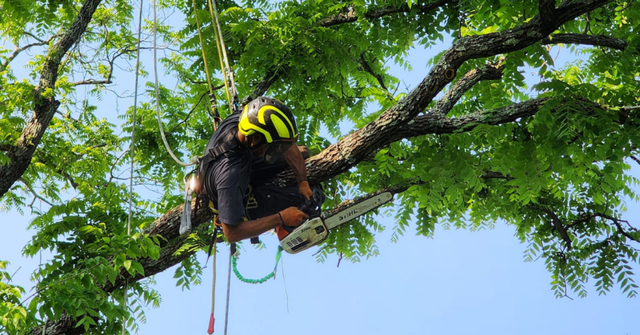
Household ladders and chainsaws aren’t designed for trimming mature trees. Working at height without proper equipment significantly increases the risk of injury.
DIY Tree Trimming vs. Hiring a Professional
Small shrubs and low branches can often be maintained by homeowners. Mature trees are a different story.
Professional tree trimming provides several advantages.
| DIY Tree Trimming | Professional Tree Trimming |
| Limited equipment | Specialized equipment |
| Basic pruning knowledge | Years of experience |
| Greater safety risks | Industry safety practices |
| May damage tree health | Protects long-term tree health |
| Limited reach | Can safely trim large trees |
| No debris removal | Complete cleanup included |
Hiring professionals doesn’t just improve safety. It also helps ensure your trees continue growing in a healthy, balanced way.
Why Tree Trimming Is Especially Important in Roanoke
Trees in Southwest Virginia experience a wide range of weather conditions throughout the year.
Property owners regularly deal with:
- Strong thunderstorms
- Heavy rainfall
- Ice accumulation
- High winds
- Snow loads
- Rapid seasonal growth
These changing conditions place additional stress on mature trees.
Routine trimming removes weak branches before storms arrive, improves wind resistance, and helps reduce emergency tree failures. Routine maintenance supports urban forestry health and resilience as outlined by the U.S. Forest Service.
Homes throughout Roanoke, Rocky Mount, Forest, Moneta, Huddleston, Floyd, Boones Mill, Callaway, and Penhook often have mature hardwood trees growing close to homes, driveways, and utility lines. Regular maintenance helps these trees remain healthy while reducing potential hazards.
Why Professional Tree Trimming Is an Investment
Many homeowners view tree trimming as an expense.
In reality, it’s one of the best long-term investments you can make in your landscape.
Regular maintenance can help:
- Prevent expensive property damage
- Reduce emergency tree service calls
- Extend tree lifespan
- Improve curb appeal
- Increase property value
- Encourage healthier growth
- Reduce pest and disease problems
- Protect roofs, fences, and outdoor living spaces
A well-maintained tree often requires less corrective work later in its life.
How Often Should Trees Be Trimmed?
There’s no universal schedule because every tree grows differently.
Factors affecting trimming frequency include:
- Tree species
- Age
- Growth rate
- Overall health
- Previous pruning
- Weather exposure
- Property location
As a general guideline:
- Young trees often benefit from structural pruning every 2 to 3 years.
- Mature shade trees are commonly inspected every 3 to 5 years.
- Fast-growing species may require more frequent maintenance.
- Storm-damaged trees should be evaluated as soon as possible.
Regular inspections help identify issues before they become costly problems.
Signs It’s Time to Schedule a Professional Inspection
Even if your trees don’t show obvious signs of decline, periodic inspections are an important part of responsible property maintenance.
Schedule an inspection if:
- You haven’t had your trees evaluated in several years.
- Branches are growing close to your roof.
- Your trees were recently affected by severe weather.
- You notice dead or hanging limbs.
- The canopy appears unusually dense.
- Branches interfere with driveways or walkways.
- You’re planning a construction or landscaping project.
Early maintenance is almost always easier and more affordable than emergency repairs.
Schedule Your Free Tree Trimming Estimate
Healthy trees don’t happen by accident. Regular trimming is one of the most effective ways to protect your property, improve your landscape, and extend the life of your trees.
Whether you’ve noticed overgrown branches, storm damage, or simply want to keep your landscape looking its best, Trees Crossing Tree Services is here to help.
We proudly provide professional tree trimming and tree pruning throughout Roanoke, Rocky Mount, Forest, Moneta, Huddleston, Floyd, Boones Mill, Callaway, Penhook, and surrounding Southwest Virginia communities.
Our licensed and insured team brings 39 years of combined experience, specialized equipment, transparent pricing, and a commitment to treating your property with care and respect.
Call Trees Crossing Tree Services today at (540) 386-1644 to schedule your free tree trimming estimate and keep your trees healthy, beautiful, and safe for years to come.